


Upcycling Old Tarpaulin Sheet into Useful Products
- Bradley Tomlinson

- Dec 5, 2025
- 3 min read
Tarpaulins, often referred to as tarps, are highly versatile materials used for numerous purposes. However, when they become worn out, many people tend to dispose of them, contributing to environmental waste. This discussion highlights the concept of upcycling old Tarpaulin Sheets into useful products as an alternative to harmful disposal methods.
Understanding Tarpaulin
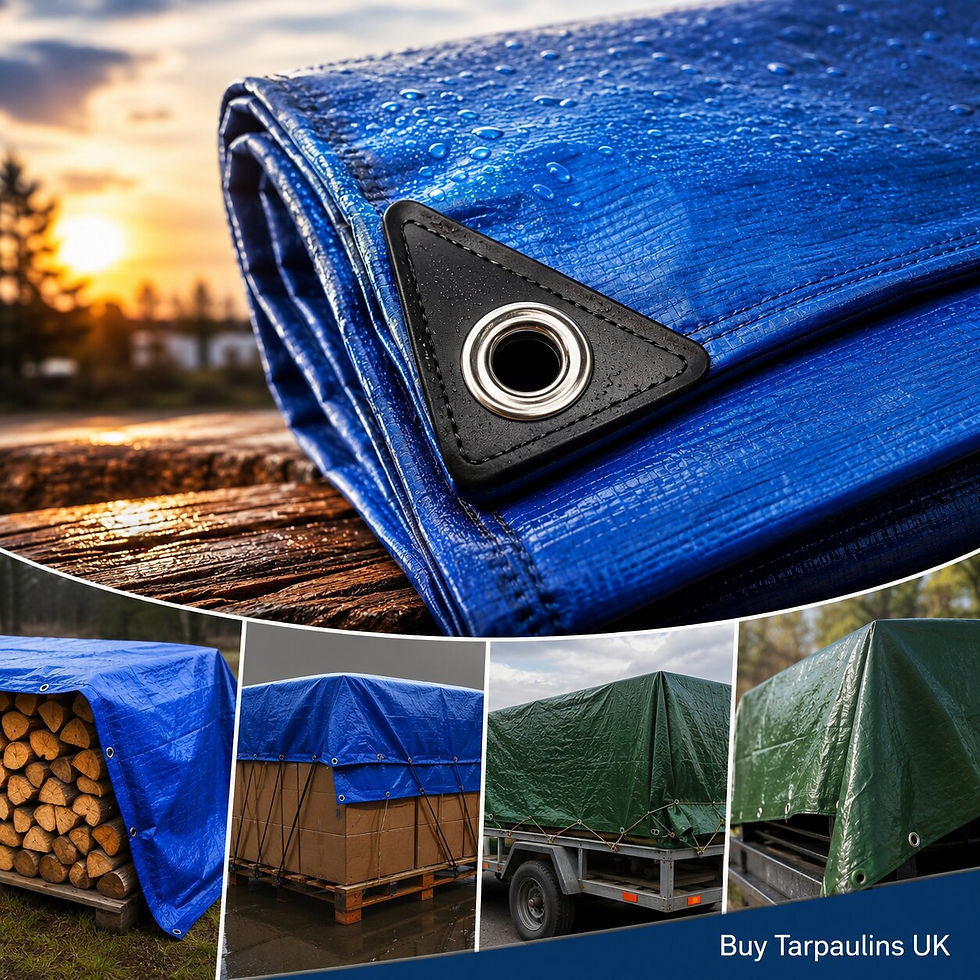
Typically crafted from materials like polyethylene, canvas, or vinyl, tarpaulins are known for their strength and durability. Their waterproof nature makes them ideal for protecting items, such as car interiors, from rain. Unfortunately, once disposed of in landfills, tarpaulins take an extended period to decompose due to their non-biodegradable composition.
Benefits of Upcycling Tarpaulin
Upcycling tarpaulin offers several key benefits:
Reduced landfill waste
Conservation of materials through reuse
Creation of durable items like pots, containers, and covers
A cost-effective alternative to purchasing new products
Practical Uses for Upcycled Tarpaulin
There are many creative ways to repurpose old tarpaulins:
1. Bags and Totes
Tarpaulin is an excellent material for crafting inexpensive waterproof bags. Options range from simple tote bags to modern backpacks or cross-body bags. Thanks to its straightforward design, these bags are practical for everyday use, such as shopping at local markets or camping trips.
2. Outdoor Furniture Covers
Old tarpaulins can be refashioned into protective covers for outdoor furniture. With basic sewing techniques, customized covers can shield patio furniture from harsh weather conditions, thereby extending its lifespan and minimizing environmental impact.
3. Ground Cloths for Camping
Smaller pieces of tarpaulin can be trimmed into lightweight ground cloths suitable for camping. Placed beneath tents, these cloths provide added protection from dampness and uneven terrain.

4. Art Canvases
Artists often repurpose Heavy Duty Tarpaulin as a more affordable alternative to traditional canvases for painting or mixed-media art. Its texture and sturdiness offer a unique appearance and new creative possibilities.
5. Plant Pot Covers
Brightly colored tarpaulins can be transformed into decorative plant pot covers that enhance garden or indoor aesthetics while safeguarding surfaces against water damage.
The Upcycling Process
To successfully upcycle tarpaulins, follow these steps:
Thoroughly clean the tarpaulin using soap and water and allow it to dry completely.
Cut the material into desired shapes and sizes using sharp scissors or utility knives.
Assemble pieces by sewing or fastening them with robust thread and connectors.
Given their dense and sturdy texture, working with tarpaulins may require specific tools and techniques to ensure efficiency.
Safety Tips
When handling old tarpaulins for upcycling projects, keep these safety measures in mind:
Wear protective gloves to avoid cuts from sharp edges.
Work in a well-ventilated area if adhesives are involved in the process.
Exercise caution while using sharp tools or instruments near tarpaulin material.
Ensure that any upcycled products intended for food storage are thoroughly cleaned and free from harmful substances.
Conclusion
Repurposing old Tarpaulins into practical items is a great way to reduce waste and create functional products, promoting eco-friendly practices while introducing one-of-a-kind solutions. Turning these materials into bags, furniture covers, ground cloths, art canvases, and plant pot covers contributes to a circular economy while reducing reliance on wasteful disposal methods.
As the focus on environmental sustainability grows, innovative approaches like upcycling materials such as tarpaulins are becoming increasingly significant. By embracing this strategy, individuals play a vital role in conserving resources and combating landfill overload a necessary step towards a more responsible and sustainable future.

Comments