


Tarpaulin Sheet in the Mining Industry
- Bradley Tomlinson

- Dec 6, 2025
- 3 min read
The use of tarpaulins is essential across various mining operations. These durable and versatile Tarpaulin Sheets are widely employed by mining industries on a global scale. This article outlines the numerous applications and benefits of tarpaulins in the mining sector.
Understanding Tarpaulins
Commonly referred to as tarps, tarpaulins are crafted from strong, flexible, and water-resistant materials such as canvas, polyethylene, or polyvinyl chloride (PVC). Their robust construction allows them to withstand the demanding conditions of mining environments.
Applications of Tarpaulins in Mining
The mining industry relies heavily on tarpaulins for several purposes:
1. Equipment Protection
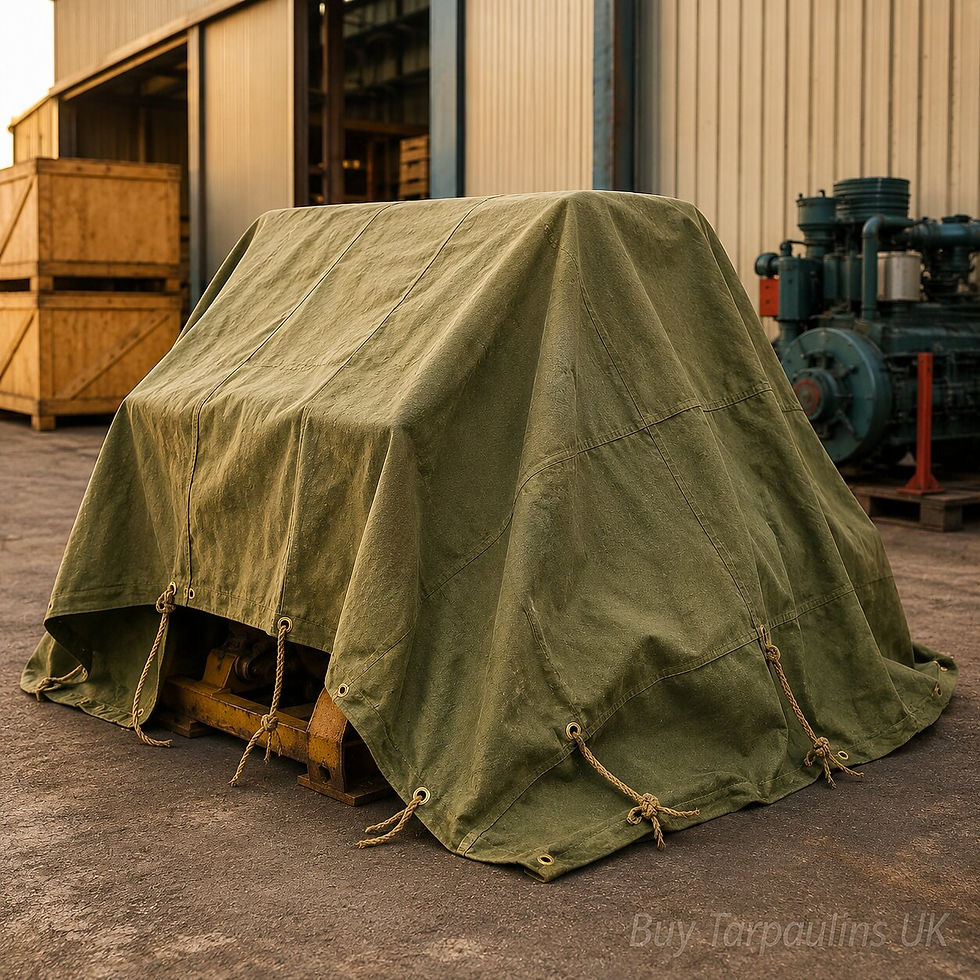
Tarpaulins are frequently used to shield machinery from dust, dirt, and harsh weather conditions, thereby reducing wear and maintenance costs. By acting as protective covers, they ensure equipment remains in optimal working condition.
2. Material Containment
Tarpaulins play a vital role in containing and transporting mining materials. They are often used to cover and secure loads on container trucks, preventing loss during transit. Additionally, large tarps are employed to protect stockpiles at mining sites from adverse weather, particularly rain and wind.
3. Dust Control
Dust is a common challenge at mining sites. Tarpaulins are used strategically to form barriers or enclosures that minimize dust dispersion, thereby improving air quality and enhancing worker safety. They can also be draped over conveyor belts to suppress dust emissions during material transport.
4. Temporary Structures
Tarpaulins are frequently used to create temporary shelters at mining sites. These structures provide workers with a secure and weather-resistant space for rest or work. Quick to erect and easy to dismantle, such shelters are both practical and cost-effective.
5. Spill Containment
In case of chemical spills, tarpaulins can act as containment barriers to prevent environmental contamination and facilitate clean-up processes. This makes them an indispensable tool for maintaining environmental safety during mining operations.

Advantages of Using Tarpaulins in Mining
Tarpaulins offer an array of benefits that make them invaluable in the mining industry:
1. Cost-Effective
Compared to other protective measures, Canvas Tarpaulin sheets provide excellent value for money due to their durability and multipurpose functionality.
2. Durability
High-quality tarpaulins are specifically designed to endure extreme conditions including temperature fluctuations, UV exposure, and chemical interactions, making them a reliable choice for rugged mining environments.
3. Portability
Lightweight and easy to transport, tarpaulins can be efficiently moved from one location to another as needed, enhancing their practicality in remote mining areas.
4. Customizability
Tarpaulins can be customized in terms of size, material, and shape to suit specific requirements. This flexibility allows mining companies to select solutions tailored to their unique operational needs.
5. Environmental Benefits
By containing dust, preventing spills, and protecting equipment from wear and tear, tarpaulins contribute to environmentally sustainable mining practices. They help the industry comply with environmental regulations and minimize ecological impact.
Maintenance of Tarpaulins in Mining Operations
Proper installation and maintenance are crucial to extending the lifespan and effectiveness of tarpaulins in mining operations. Key practices include:
Regular cleaning to remove dirt, dust, and chemical residues.
Prompt repair of any damage to ensure continued functionality.
Storing unused tarps appropriately to prevent unnecessary wear and tear.
Conducting routine inspections for signs of wear or damage.
Replacing tarpaulins that are no longer fit for safe use.
Concluding the Report on Tarpaulins in the Mining Industry
In summary, Tarpaulins play a vital role in the mining industry by providing equipment protection, material containment, dust control, and environmental safeguarding. Their cost-effectiveness, durability, and versatility make them indispensable for mining operations. By selecting appropriate tarpaulins and maintaining them properly, mining companies can enhance productivity, ensure worker safety, and protect environmental quality. The ongoing application of tarpaulins is anticipated to support responsible and efficient practices within the sector.


Comments