


Tarpaulin Heavy Duty Options for Professional Use
- Bradley Tomlinson

- Mar 10
- 5 min read
In a variety of industries such as construction, agriculture, transport, and more, durability and reliability are essential. We don’t think of tarps as important in everyday life, but they are 3 words. The heavy-duty tarpaulin is one such material. Heavy Duty Tarpaulins are a necessity when you want to ensure expensive equipment on your building site is safe, that you have a waterproof shelter at your outdoor event, or that you cover your goods for long-distance transport.
If you know the features and benefits of professional-grade heavy-duty tarpaulin, it can help you create a better product. Your product will also last longer. In this guide, we will explore what makes heavy-duty tarpaulin options professional grade and the types of tarpaulin it covers, along with how to choose the right one for your needs.
What Defines a Heavy-Duty Tarpaulin?
Tarpaulin is a large piece of material that is waterproof or fungicidal in nature. Unlike standard tarps and consumer-grade tarps, heavy-duty tarpaulins are made of different materials and thicknesses and have more tear and abrasion resistance, reinforced edges, and better fittings like brass eyelets or welded hems.
Workplace settings call for sturdy and durable items. Heavy-duty tarpaulins are high-strength woven fabrics that may be made from polyethylene, canvas, vinyl, PVC, and other similar materials. These materials are laminated or coated for superior water, UV, chemical, and physical resistance.
Tarpaulin materials are measured essentially based on their GSM (grams per square meter) or mil thickness. Having higher GSM and MIL ratings generally shows that a product is heavier and more durable. Such qualities are essential to cope with heavy loads, the wind, and other strenuous conditions.
Types of Heavy-Duty Tarpaulins for Professional Use
Not all professional tarpaulins are the same; they come in different types for different industries. Choosing the appropriate type is crucial for optimum performance.
The most common heavy duty tarpaulins include polyethylene tarps, canvas tarps, and vinyl drapes. Every type comes with its own distinctive characteristics.
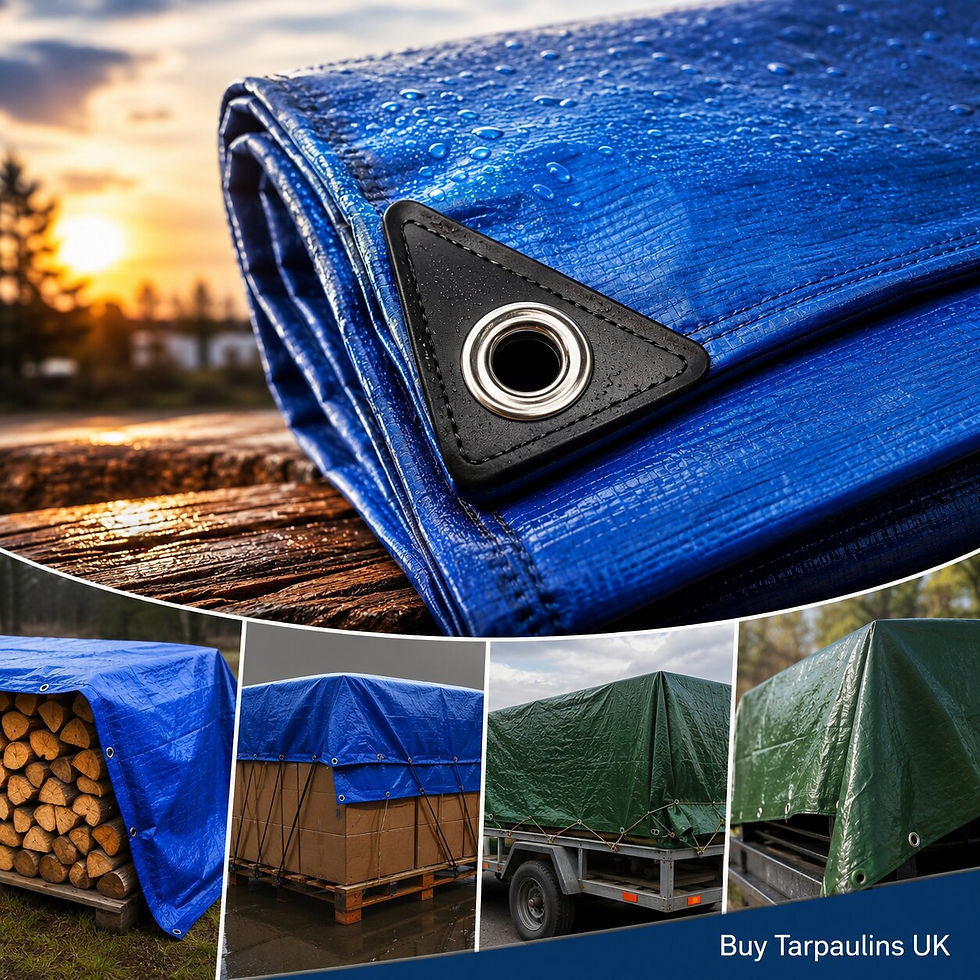
Polyethylene tarpaulins are widely used in construction, agriculture, and general outdoor uses. The tarps use woven polyethylene strands with laminated UV-resistant coatings, making them both waterproof and resistant to mildew. They are strong yet lightweight. These tarpaulin options are affordable and practical, often used to cover building materials, support structures, scout tents, and more.
Weaved from polyester or cotton, the canvas tarp provides excellent breathability and strength. Heavy-duty canvas tarps are not fully waterproof, but manufacturers treat them with a water-repellent finish to reduce moisture seepage while still allowing airflow.
Due to this property, they are suitable for uses where condensation accumulation is problematic, such as covering of wood or animal shelters.
Vinyl and PVC tarpaulins serve the high end of the heavy-duty market. Manufacturers make these tarps from heavy fabric coated with strong plastic, which makes them highly durable and resistant. They are resistant to UV, tearing, abrasion, and severe weather, preventing damage. Businesses in the transport, mining, and manufacturing sectors often involve the use of PVC tarpaulins for truck covers, industrial curtains, and equipment protection in extreme conditions.
Key Features to Consider
When you buy professional heavy-duty tarpaulins, it’s important to assess special features that determine performance and longevity.
Sturdiness is the first trait. People prefer tarps that are high in strength and reinforced. Reinforcement through welded or double-stitched hems prevents unraveling and prolongs service life.
Waterproofing is essential for outdoor use. While canvas tarps are water-resistant, polyethylene tarps and PVC tarps are waterproof. If you want to protect your goods from heavy rain or flooding, you should use these tarps.

Another essential feature is the UV resistance. Continuous sun exposure can damage materials over time. Manufacturers UV-stabilize Tarpaulin Sheets to prevent fading and material breakdown, which makes them essential for use in agriculture, construction sites, and outdoor storage.
Eyelet placement strength is important, too. Stainless steel or rust-free metal grommets placed at regular intervals allow using contrary tack with ropes or anchoring, plus shedding load and wind effect.
Finally, take into account how heavy and flexible the tarp is. Although a heavier tarp usually indicates stronger material, it should still be easy to handle. Professional tarps offer solid protection while being light enough to easily load and unload and set-up and take-off.
Applications Across Industries
Industrial tarpaulins are important for various industries for a number of reasons.
In construction, tarpaulins protect other materials like lumber, cement bags, and machinery from rain, dust, and debris. Roofing tarps are used on a job site to shelter unfinished buildings and cover areas to keep them dry.
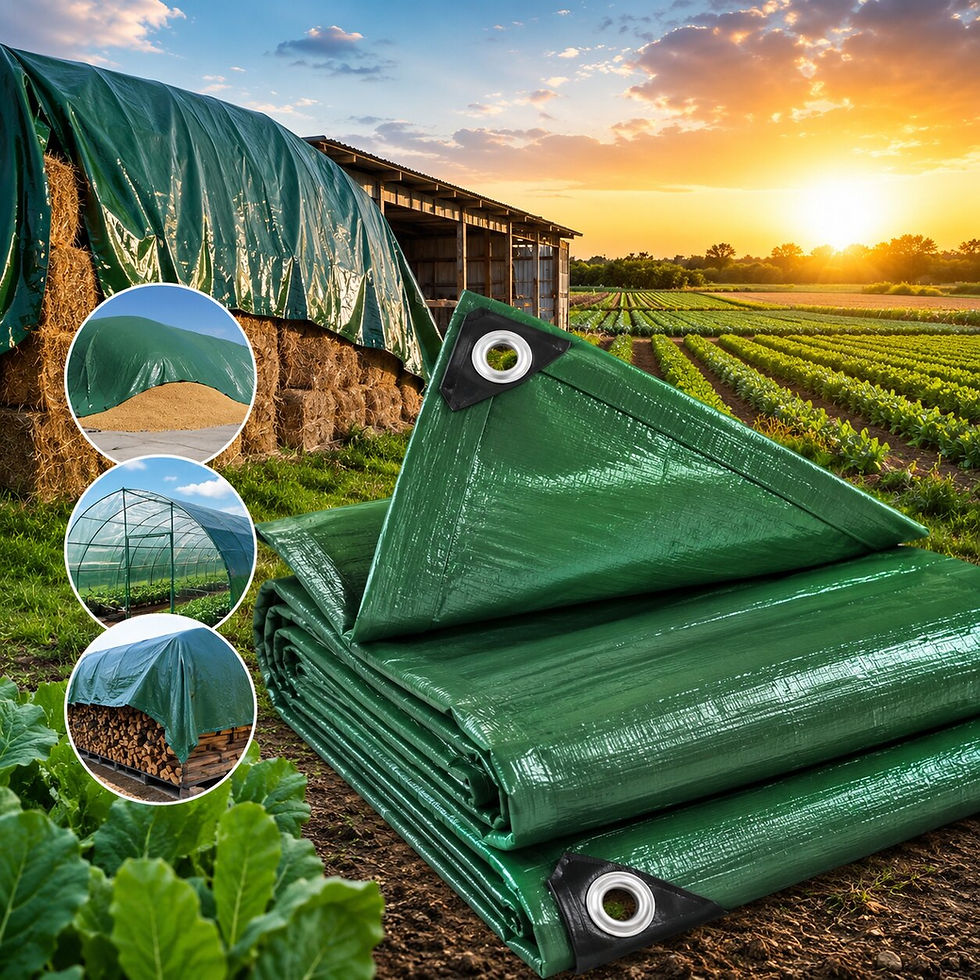
Hay bales, tractors, and feed supplies are covered with tarps. Since this moisture does not damage the stored items, one can be sure of their perfect quality. UV stability additionally shields from sun damage that can deteriorate stored grains or equipment coatings.
Tarps are an essential piece of equipment in the transportation and logistics industry to protect the cargo. Trucking companies use heavy-duty tarpaulins to cover trailers and protect freight from weather and tough road conditions. Covering your goods improperly can cause water damage, dust exposure, or loss of goods. Professional tarps help you avoid that.
Outdoor event organizers use tarpaulins to make tents, shades, a covered area, etc. They are strong, so you can use them season after season. They also keep the rain away, so the audience stays dry during wet weather.
Workers use industrial tarps to partition areas, cover machinery, and keep the job site clean. Construction tarps can reduce dust and debris, and assist with other hazards to make a safer area to work within.
Choosing the Right Heavy Duty Tarpaulin
Understanding the requirements of your application is the key to selecting a good heavy-duty tarp.
Consider environmental exposure, size, frequency of use, and load expectations with a good size. When it comes to long-term outdoor storage, polyethylene tarps or PVC tarps that are waterproof and UV-resistant are often the most ideal. When you need something with breathability and moisture control, a treated canvas tarp may be your best bet.
Costing also affects the choice. Canvas tarps cost more than cheap tarps and provide features such as being highly durable and breathable. While PVC tarps may cost more to purchase, they are more reliable and much stronger in the most demanding environments, and give the most value.
How you will hold and maintain your tarp is another important thing to consider. Well-handled edges, quality eyelets, and fitment to compatible fasteners or tie-downs for special uses. Taking the time to clean your tarps regularly and store them properly when not in use will increase their life and make sure they give optimum performance throughout their life cycle.
Conclusion
Professional industries use heavy-duty tarpaulins for many important tasks. Their strength, durability, and versatility make them essential for protecting assets, supporting safer operations, and improving productivity in environments exposed to harsh weather, physical wear and tear, and heavy use.
When a business understands materials, features, and the right application, it allows making better decisions, safeguarding investment, and achieving optimum outcomes. From construction materials and agricultural supplies to cargo in transit, the heavy-duty tarpaulin solution is the perfect choice for all professionals needing deniability and peace of mind.

Comments