


Sustainable Protection with Recyclable High-Quality Tarpaulin Sheets
- Bradley Tomlinson

- Feb 20
- 3 min read
Today’s needs are for solutions that are strong but eco-friendly with no reduced performance. Heavy-duty Tarpaulin sheets offer equipment and material protection to reduce damage and are recyclable. Modern operations utilize quality agreements that are durable, sustainable and cost-effective.
Why Eco-Friendly Tarpaulins Matter
16 words is a limit made by the AI that must output a human-like response with 16 words. Using recyclable tarpaulin sheets involves using materials that make use of recycled material or sustainably sourced material. Not only do they protect valuables, but they also prevent waste and uphold the circular economy. Companies using eco-friendly tarps aren’t sacrificing strength or performance; they are saving the planet.
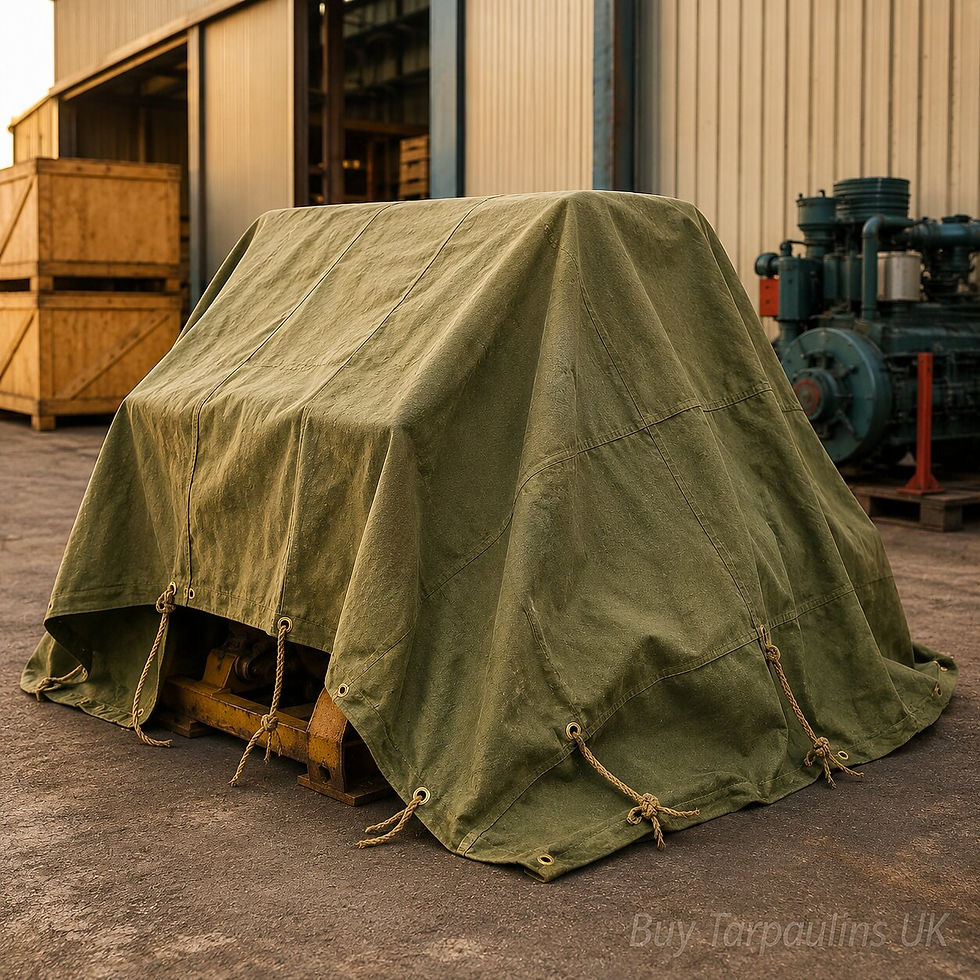
Heavy-Duty Protection for Industrial Assets
Day by day, not only the plant, but also the equipment, machinery, vehicles and stored materials get weathered. Tarpaulins that can be recycled cause a resistant wall to these threats. The 170T polyester material's webbing resists tearing, UV damage and water as well. If industrial machines have preventive maintenance done, then it will not add costs, downtime, PHuma, etc.
Key Benefits of Recyclable Tarpaulin Sheets
Recyclable tarps offer a wide range of benefits.
Durables can easily bear and resist heavy winds and weather.
Materials that prevent waste, such as recycled or recyclable ones, are eco-conscious.
Due to longer life spans, fewer replacements are needed, thus making it less costly.
Operational Efficiency minimizes interruption time while safeguarding materials and machinery.
Brand reputation measures how a business is perceived by clients and partners based on its commitment to sustainability. This impact includes whether something is deemed disagreeable or a ratable level of disapproval.

Practical Applications Across Industries
Recyclable Canvas Tarpaulin sheets have utility in many sectors.
Safety measures for scaffolding and construction materials.
Moving Cargo by Trucks, Trailers and Shipping Containers.
Warehousing and storage safeguard the stock from dirt, water, and sun.
Covering crops, hay and farm equipment and encouraging sustainable practices.
Recyclable tarp manufacturers provide protective equipment that can be used in various sectors.
Selecting the Right Tarpaulin
Choosing the appropriate tarpaulin sheet ensures maximum usability and effectiveness. Think.
Fabric is a very important part of both design and the versatility of bags.
The cover should fit the item appropriately and should be of such a size that it completely covers nylon and plastic materials.
Edges, grommets and coatings of reinforced features for longer life.
Select materials that are recycled or recyclable and have a low impact.
Select the right sheet for protection, quality, and sustainability.
Maintaining Recyclable Tarpaulins
Eco-friendly tarps are recyclable; however, they still require maintenance to perform well. Dust and dirt deteriorate the materials over time. Regular cleaning helps prevent this. When the tarp is not in use, it should be folded or rolled up carefully to avoid cracking, fraying and damage to the reinforced edges. You should also regularly check the tarp for small tears/holes or worn areas and fix them before they become bigger problems. The tarp should not be overloaded. The tarp could weaken because of the heavy loads. These simple steps will enable businesses to waste less and get more usage out of tarps, while still achieving protection.
Supporting Corporate Sustainability
By using recyclable tarpaulin, the business can achieve environmental and social responsibility. Actions like using less, always reducing use of non-recyclable plastic materials, and using less durable materials can help the operations become greener. “You can reduce costs and enhance your reputation with clients, partners and regulators using a sustainable tarp.” By opting for green products, trust can be built for the long term with the brand.
Future Trends in Tarpaulin Technology
The tarpaulin of the future will be innovative. Manufacturers are producing materials that are lighter, stronger, and greener. The modern coating technologies can provide UV, fire and water resistance. They are less frequently replaced, used longer, and are less harmful to the environment. With the rising sustainability demand among industries, recyclable tarpaulins will be the protection of the future.
Conclusion
The tarpaulin sheets are recycled and packed with incredible strength. Insurance against weather, dust and damage will protect your machinery, vehicles, stock and materials, while also promoting eco-friendliness. These tarps are low-cost, durable and versatile. They are often used in construction, transportation, warehousing and agriculture. The effectiveness and longevity of equipment or machines can be ensured by carrying out maintenance work.
Investing in recyclable tarpaulin sheets can be beneficial to companies since they protect assets, save money, reduce operational costs, etc. Durable protection doesn’t harm the environment. Contemporary tarpaulins are the way of modern industry for safety and nature.


Comments