


How to Properly Tie Down Your Tarpaulin to Survive High Winds and Storms

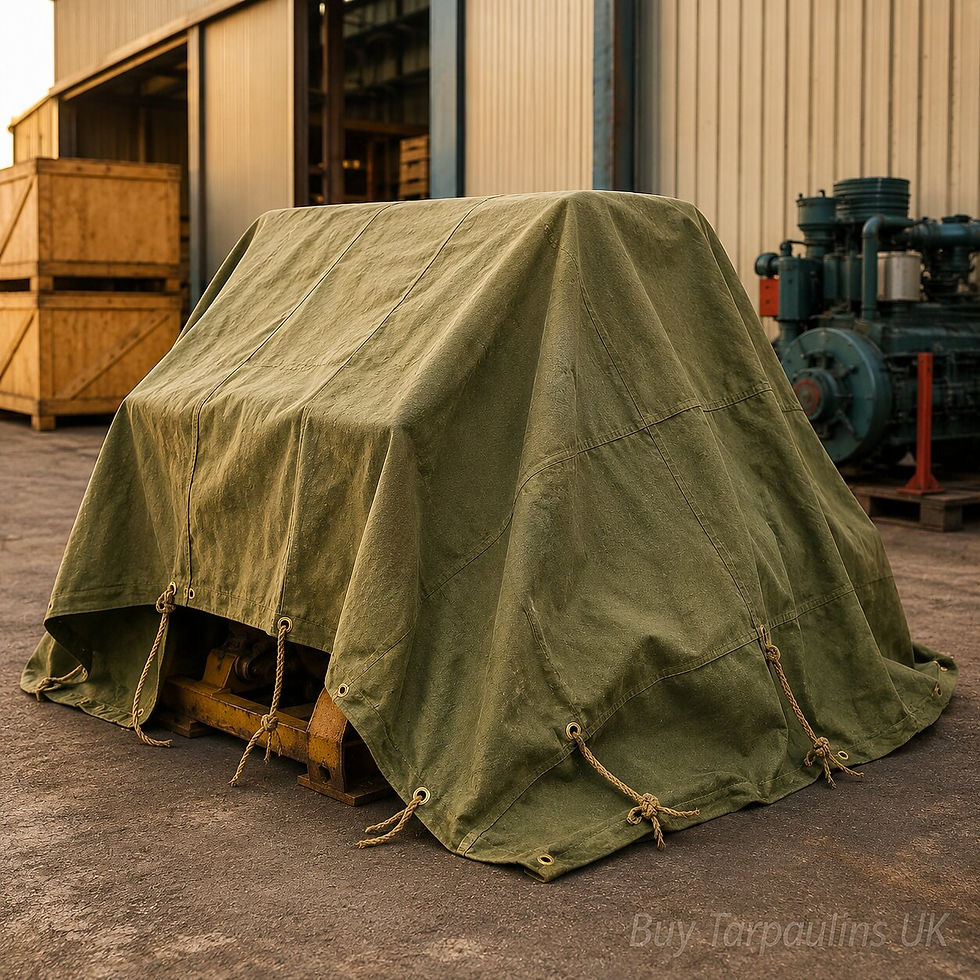
Loose tarpaulin can become problematic due to high winds and storms. Seemingly innocent shielding could quickly become flying projectiles, open devices, or ripped material. According to an online information source, many Tarpaulin Cover failures occur not because of poor material quality but because of wrong tie-down methods. Knowing how to properly secure a tarpaulin will help keep it in place, protect what is important and withstand the weather.
Why Storms Expose Weak Tie-Downs
Storms cause variability in winds. Tarpaulins are lifted, pulled, and twisted by gusts. Wind gets under a tarp that is not properly anchored and creates lift. The grommets are stressed, the fabric stretched, which produces rips or total failure. Under storm circumstances, that is, about the weak knots, bad anchorage spots, and unequal tension, it is revealed much quicker than in normal weather conditions.
Selecting A Site Before The Marriage Begins
The positioning of a tarpaulin is as important as the way it is tied. Repositioning in any open area will expose the tarp to full wind. Whenever feasible, placing the tarp near walls, equipment, or natural windbreaks decreases pressure. The lower positioning also restricts the amount of air that can go under. Selecting a proper location will lessen strain before tie-downs are engaged.
Using Strong Anchor Points That Hold Under Pressure
If the anchor points are solid, a tarpaulin can stay secure. During storms, the weakest anchors fail first. Extended infrastructure, substantial equipment frameworks, and earth spikes embedded deep into solid soil go a long way in ensuring maximum support. Strong winds blew the lighter objects loose and loosened the tension. The tarp can resist movement with anchor points that establish a stable foundation.
Make Uniform Tension All Over The Tarpaulin
Stress concentration is caused by uneven tension. When one end tension is higher than the other, the fabric stretches unevenly, and grommets tear out. Using the right tie-down technique distributes the tension evenly through all sides. If you take off slack from the ropes and check the balance, it will keep the pressure consistent. Even tension enables the tarp to give slightly to the wind rather than resist it stiffly.
Allowing Controlled Movement Instead of Overstretching
A tarpaulin that is pulled too tight is a mistake that is often made. When overstretched, stress during wind gusts increases. When wind hits a stable tarp, forces are transmitted directly to the grommets and edges. Allowing controlled motion to a limited degree absorbs wind energy. The tarp’s flexibility improves its resistance to tearing and storm damage.

Selecting Appropriate Tie-down Materials
The things used to anchor a Canvas Tarpaulin are a major factor in storm survival. Ropes with some elasticity perform better than rigid cords under windy conditions. The bungee cords will absorb the shock of sudden gusts and reduce the load on the grommets. Ropes that are weak or worn readily snap during storms. Materials that tie down tough resist the weather.
Securing Edges and Corners Correctly
High winds exert the most force on corners. Loosens quickly if it fails.an entire tarp. Force distribution is better due to reinforced corners and tie-down with proper spacing. Using secured edges at regular intervals can help avoid flapping and reduce entry points for wind. A well-secured edge should act as a barrier that is sealed and not as a sail that is loose.
Preventing Wind from Getting Under the Tarp
Most failures happen when the wind gets under a tarpaulin. Once air gets in, the tarp lifts and pressure rises greatly. Lowering edges near the ground and sealing holes limits this risk. Tilt the tarp just a little to keep the wind flowing over and not beneath it. These modifications help a lot in the storms.
Adjusting for Rain and Water Weight
Storms bring rain along with wind. The accumulation of water increases the loading on tie-downs. The creation of a small slope prevents water from settling on the surface. The slope must be proper to avoid sudden failure due to water weight. Checking the tarp during heavy rain, ensure the drainage is ok.
Verify Your Tie-Downs Before Storms
Conditions change quickly before storms. Even the best tarps can get damaged if the weather gets windy. Make Sure you inspect and tighten your Tie-downs before Storm Little tweaks avert larger mishaps ahead. Routine inspections can also help identify weak points early for quick fixing.
Understanding How Wind Direction Affects Stability
During a storm wind is hardly ever from one direction. Tarpaulins are being pulled by gusts of wind. Securing all sides simultaneously ensures the tarp is ready for a wind change. If you depend for a long time on one side, you will become vulnerable when the wind changes direction. They keep your tarp in position, even when the wind blows.
Mistakes That Make Tarps Fail During Storms
Most tarp failures are from not using enough anchor points or only tying the corners. Some are the result of weak knots and frayed ropes. Disregarding wind direction and unnecessarily stretching fabric will cause premature failure. When you avoid these mistakes, the tarp can withstand bad weather better.
Long-Term Benefits of Proper Tie-Down Techniques
Tarpaulins tied correctly last long and protect well. Less tearing means fewer replacements and lower costs. Equipment remains dry and secure during storms. Workers repair fewer defects and do their work more efficiently. Good tie-down habits increase safety and dependability in any outdoor use.
Concluding Word
A tarpaulin setup is tested at all points in high winds and storms. Using the right tie-down techniques can help you achieve success. Strong anchors, even tension, controlled movement, and smart placement keep tarps secure in position. The tarpaulin can withstand the storm if one has the knowledge of the wind and prepares accordingly.


Comments